• Work
  • Story
  • Writing
  • Teaching
  • Archive
  • Ping Me
Menu

Niki Selken

  • Work
  • Story
  • Writing
  • Teaching
  • Archive
  • Ping Me

Rusalka Headdress

December 10, 2014

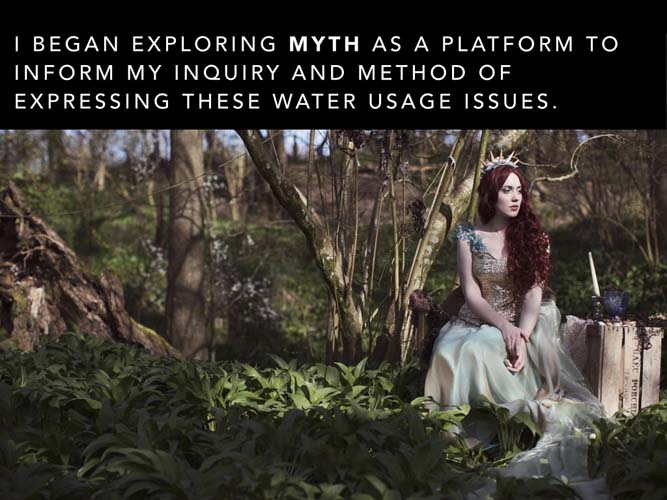
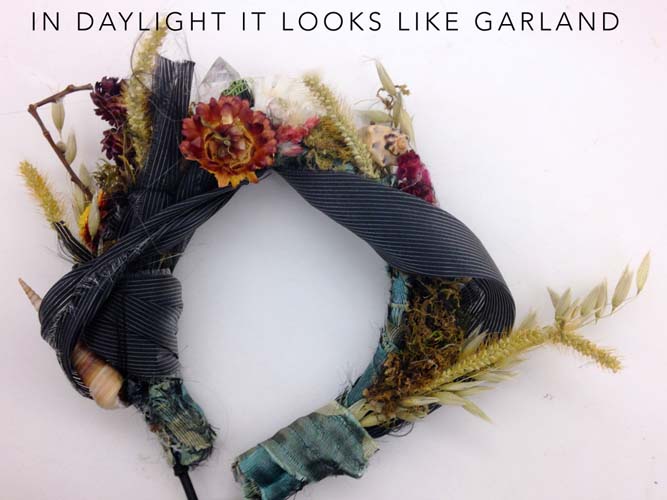
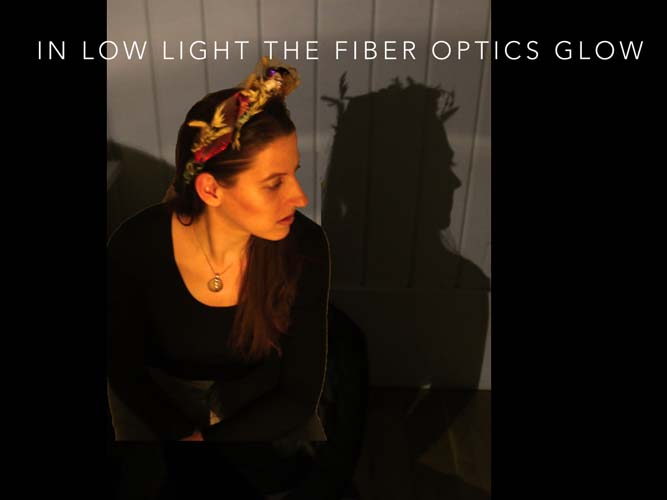
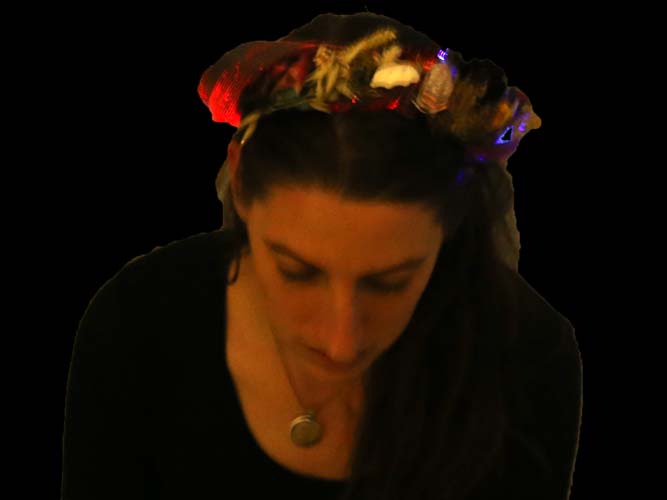
The Leaf Faerie Headdress, featured on Adafruit's blog, is inspired by the Russian Rusalka Myth. Rusalka came out of the water in the spring to transfer life-giving moisture to the fields and thus helped nurture the crop. However, Rusalka had a dark side, and if you came to close to the river, they might drown you. The headdress transforms from a whimsical and magical garland to an eerie glowing headdress in the dark. Much like the light and dark of the Rusalka.
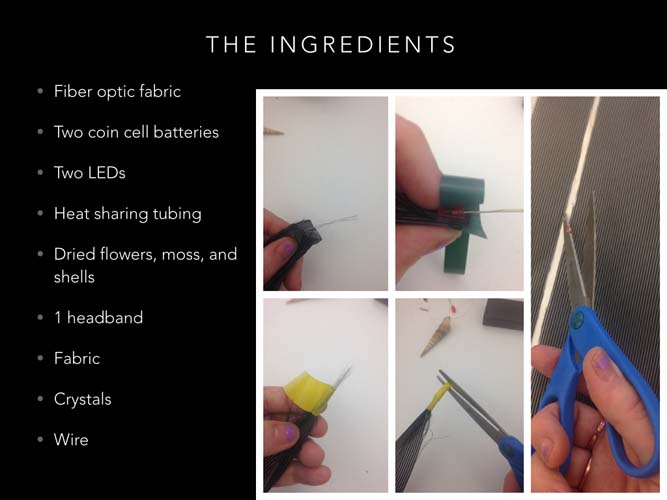
Make yours today with this instructable!

rusalka.001.jpg
rusalka.002.jpg
rusalka.003.jpg
rusalka.004.jpg
rusalka.005.jpg
rusalka.006.jpg
rusalka.007.jpg
rusalka.008.jpg
rusalka.009.jpg
In Thesis Tags thesis
← A Prayer for Rain: Thesis One Final PaperMap Prototype →

Subscribe

Thank you!

AI Design

Virtual  Reality

Game Design

Emoji Art and Design

Museum Interaction Design

Thesis

What I'm Thinking About

Parsons MFAD+T Projects

No results found

Fresh Posts

I’ve been thinking about Annie Dorsen’s Hello Hi There (2010), a performance in which two chatbots sit on stage and talk to each other.

The conversation is inspired by the famous 1971 debate between linguist Noam Chomsky and philosopher
I’ve been thinking about Annie Dorsen’s Hello Hi There (2010), a performance in which two chatbots sit on stage and talk to each other. The conversation is inspired by the famous 1971 debate between linguist Noam Chomsky and philosopher Michel Foucault—a clash between two radically different views of human nature, knowledge, power, and society. Fifteen years later, it feels less like an experiment and more like a prophecy. What’s striking isn’t the technology—by today’s standards the bots were primitive. What’s striking is the question Dorsen was asking: what happens when computation becomes a participant in culture rather than merely a tool? Drawing from transcripts of the Chomsky-Foucault debate, alongside philosophy, literature, politics, religious texts, and internet culture, the bots generate an endless conversation. Sometimes insightful. Sometimes absurd. Often both at once. Watching it now, I can’t help but connect it to the work I’m doing with Claude. Much of the conversation around AI remains focused on productivity, automation, and content generation. But I’m increasingly interested in AI as a new artistic and cognitive medium—a space for dialogue, interpretation, provocation, and reflection. In that sense, Hello Hi There wasn’t really about chatbots. It was about creating conditions for emergence. AI art history didn’t begin with image generators. It includes theater makers, conceptual artists, cyberneticists, and designers who recognized early that the most interesting thing about these systems wasn’t their intelligence—it was the conversations they make possible. The same question feels alive today: How do we design systems that don’t just produce answers, but create new ways of thinking? 🎭 Annie Dorsen, Hello Hi There (2010) Video: https://www.youtube.com/watch?v=3PiwEQQNnBk #AIArt #CreativeAI #AlgorithmicTheater #AnnieDorsen #Claude
Saltwater soul, skin of the sea 🦭🌊 A little selkie magic for my Sacramento birthday—caught between land and ocean, just where I belong ✨ Shedding one skin, stepping into another—this next year feels like transformation 💫 Forever pulled by the tide, no matter where I am 🤍 #SelkieEnergy #BirthdayMagic #mermaidstyle #OceanSoul #MythicMood MakeWaves SeaSpirit

What I'm Thinking About

  • AI Design (1)
  • Arts for Survival (1)
  • DJing (1)
  • Ko Labs Theater Collective (1)
  • Music Blog (1)
  • Teaching (1)
  • VR (1)
  • Game Design (2)
  • MUSIC (2)
  • Museum Interaction Design (2)
  • Wearables (3)
  • PERFORMANCE (4)
  • Web Design and Code (6)
  • Major Studio 2 (10)
  • Design (16)
  • Parsons MFADT (16)